
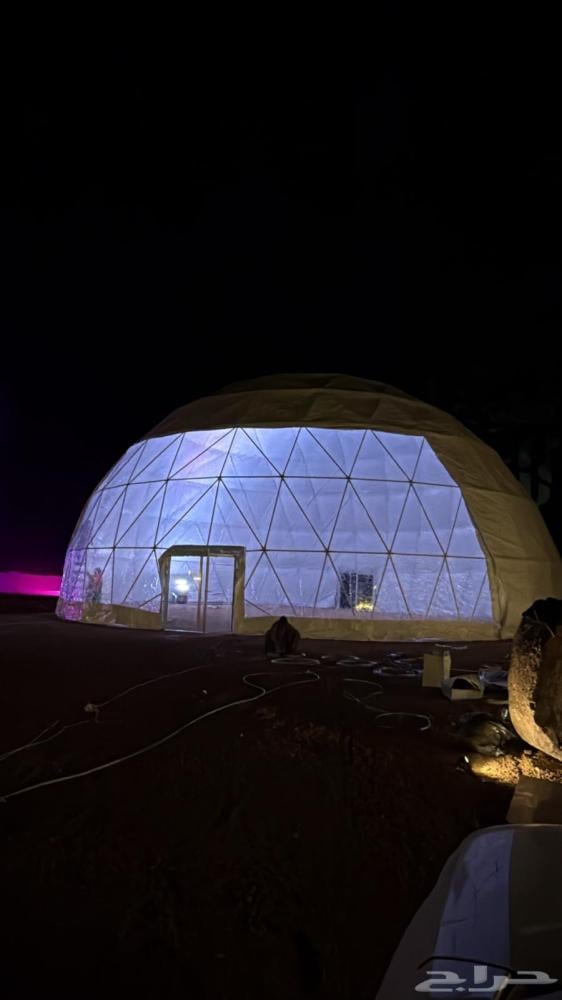
القبب الجيوديسية (Geodesic Domes) ليست مجرد تصميم هندسي غريب أو شكل نشاهده في أفلام الخيال العلمي، بل تُعد واحدة من أذكى الابتكارات المعمارية الحديثة. الفكرة ببساطة تقوم على سؤال هندسي عبقري: كيف يمكن بناء أكبر مساحة ممكنة باستخدام أقل كمية من المواد، مع تحقيق أعلى درجات القوة والمتانة؟
دعونا نأخذ جولة سريعة ومبسطة لفهم سر هذه القباب، ولماذا أصبحت من أكثر التصاميم المعمارية إثارة للإعجاب حول العالم.
ما هي القبة الجيوديسية؟
عند النظر إلى القبة الجيوديسية من بعيد ستبدو وكأنها كرة أو نصف كرة، لكن عند الاقتراب منها ستلاحظ أنها مكوّنة من شبكة مترابطة من المثلثات الهندسية.
وفي عالم الهندسة يُعتبر المثلث أقوى شكل هندسي، لأنه الوحيد الذي لا يتغير شكله عند تعرضه للضغط، بعكس الأشكال الأخرى مثل المربعات أو المستطيلات التي قد تنحني أو تميل بسهولة. وعندما تتصل هذه المثلثات معًا بنظام هندسي دقيق، تتكون بنية قوية جدًا قادرة على حمل نفسها دون الحاجة إلى أعمدة داخلية تعيق المساحة.
من صاحب فكرة القباب الجيوديسية؟
رغم أن الفكرة بدأت بالظهور بعد الحرب العالمية الأولى في ألمانيا، فإن الشخص الذي نشرها وطورها بشكل واسع هو المهندس والمخترع الأمريكي Buckminster Fuller في أربعينيات وخمسينيات القرن الماضي.
كان فولر يفكر بطريقة تسبق عصره، حيث كان يبحث عن حلول لبناء مساكن اقتصادية، قوية، وصديقة للبيئة، فقدم القبة الجيوديسية باعتبارها نموذجًا مثاليًا لمباني المستقبل.
لماذا تعتبر القبب الجيوديسية مميزة؟
قوة ومتانة عالية
من أبرز مميزات القباب الجيوديسية قدرتها الهائلة على توزيع الأحمال بشكل متساوٍ على كامل الهيكل. لذلك تستطيع تحمل الرياح القوية والعواصف والثلوج بكفاءة أعلى من كثير من المباني التقليدية.
مقاومة ممتازة للظروف المناخية
بسبب شكلها الانسيابي والدائري، تمر الرياح حول القبة بسهولة دون الاصطدام بجدران مسطحة، مما يقلل من تأثير العواصف ويحسن من استقرار البناء.
توفير في المواد والطاقة
تغطي القبة مساحة داخلية كبيرة باستخدام كمية أقل من مواد البناء مقارنة بالمباني التقليدية. كما أن شكلها يساعد على تقليل فقدان الحرارة أو دخول الحرارة الزائدة، مما يساهم في خفض استهلاك التكييف والتدفئة.
تصميم جمالي وإضاءة طبيعية
توفر القباب الجيوديسية بيئة داخلية مريحة بفضل توزيع الإضاءة والهواء بشكل طبيعي، بالإضافة إلى مظهرها العصري والجذاب الذي يمنح المكان طابعًا فريدًا.
أين تُستخدم القبب الجيوديسية؟
الفنادق والمخيمات الفاخرة
انتشرت القباب الجيوديسية بشكل كبير في مشاريع الـ Glamping والمخيمات السياحية الفاخرة، خاصة في المناطق الصحراوية والطبيعية، حيث تمنح الزوار تجربة إقامة مميزة وسط الطبيعة وتحت السماء المفتوحة.
المشاريع البيئية والزراعية
من أشهر الأمثلة العالمية Eden Project، وهو مشروع ضخم في بريطانيا يضم قببًا جيوديسية عملاقة تستخدم كبيوت زجاجية لمحاكاة البيئات الاستوائية.
محطات الأبحاث والمناطق القطبية
تُستخدم أيضًا في المناطق شديدة البرودة بسبب قدرتها الكبيرة على مقاومة العواصف الثلجية والحفاظ على الحرارة داخل المبنى.
القبب الجيوديسية تمثل مثالًا رائعًا على أن الذكاء في التصميم أهم من كثرة المواد. فهي تجمع بين القوة، وخفة الوزن، والتوفير، والجمال المعماري في وقت واحد. ورغم وجود بعض التحديات في تصميم المساحات الداخلية أو توزيع الأثاث، فإنها تظل من أكثر الحلول المعمارية إبداعًا للمشاريع السياحية والبيئية الحديثة.
ومع التطور المستمر في عالم البناء المستدام، يبدو أن القباب الجيوديسية ليست مجرد فكرة مستقبلية، بل جزء حقيقي من مستقبل العمارة الحديثة.
Geodesic Domes are not just unusual engineering designs or futuristic shapes seen in science fiction movies; they are considered one of the smartest modern architectural innovations. The idea is based on a brilliant engineering question: how can we build the largest possible space using the least amount of materials while achieving maximum strength and durability?
Let’s take a quick and simple look at the secret behind these domes and why they have become some of the most fascinating architectural designs in the world.
What is a Geodesic Dome?
When viewed from a distance, a geodesic dome looks like a sphere or half-sphere. However, when you get closer, you’ll notice that it is made up of a connected network of geometric triangles.
In the world of engineering, the triangle is considered the strongest geometric shape because it is the only shape that does not change form under pressure, unlike squares or rectangles that can bend or tilt easily. When these triangles are connected in a precise geometric system, they create an incredibly strong structure capable of supporting itself without the need for internal columns that reduce usable space.
Who Invented the Geodesic Dome?
Although the concept began appearing after World War I in Germany, the person who popularized and widely developed it was the American engineer and inventor Buckminster Fuller during the 1940s and 1950s.
Fuller was thinking far ahead of his time. He was searching for solutions to create affordable, strong, and environmentally friendly housing, so he introduced the geodesic dome as an ideal model for the buildings of the future.
Why Are Geodesic Domes Special?
High Strength and Durability
One of the biggest advantages of geodesic domes is their incredible ability to distribute loads evenly across the entire structure. This allows them to withstand strong winds, storms, and snow far better than many traditional buildings.
Excellent Resistance to Weather Conditions
Because of their smooth, rounded shape, wind flows around the dome easily instead of crashing into flat walls, reducing the impact of storms and improving structural stability.
Energy and Material Efficiency
A geodesic dome can cover a large interior space using fewer building materials compared to conventional structures. Its shape also helps reduce heat loss and limits excessive heat gain, which lowers cooling and heating energy consumption.
Beautiful Design and Natural Lighting
Geodesic domes provide a comfortable indoor environment thanks to the natural distribution of light and airflow. Their modern and attractive appearance also gives the space a unique architectural character.
Where Are Geodesic Domes Used?
Luxury Hotels and Glamping Camps
Geodesic domes have become extremely popular in glamping resorts and luxury camping projects, especially in desert and natural destinations, where they offer visitors a unique experience under the open sky.
Environmental and Agricultural Projects
One of the most famous global examples is the Eden Project in the United Kingdom, a massive complex of giant geodesic domes used as greenhouses to simulate tropical environments.
Research Stations and Polar Regions
They are also widely used in extremely cold areas because of their excellent resistance to snowstorms and their ability to retain heat inside the structure.
Geodesic domes are a perfect example of how intelligent design matters more than the quantity of materials used. They combine strength, lightweight construction, efficiency, and architectural beauty all at once. Despite some challenges in interior layout and furniture arrangement, they remain one of the most innovative architectural solutions for modern tourism and environmental projects.
With the continuous growth of sustainable construction, geodesic domes are no longer just a futuristic concept, but a real part of the future of modern architecture.