
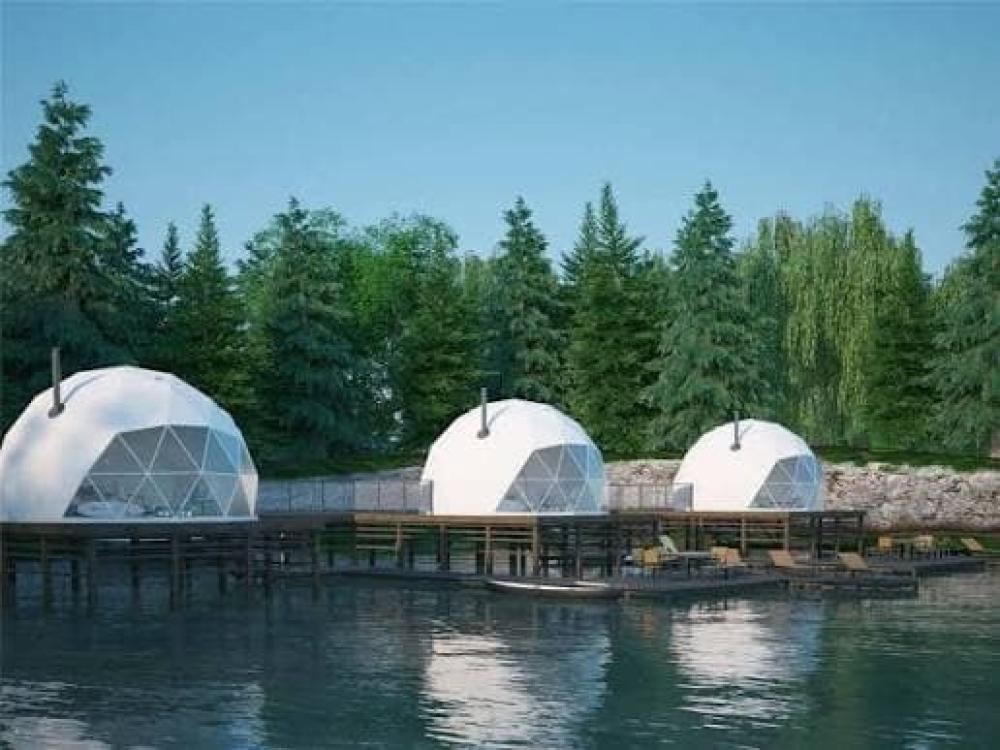
تُعد القبب الجيوديسية (Geodesic Domes) واحدة من أعظم الإنجازات الهندسية والمعمارية في العصر الحديث. فهي تجمع بين الجمال الجمالي الفريفريد، والكفاءة الهيكلية المذهلة، والاستدامة البيئية. ومنذ أن ابتكرها المهندس والمفكر الأمريكي "بوكمينستر فولر" في منتصف القرن العشرين، تحولت هذه الهياكل الكروية من مجرد تجارب طليعية إلى حلول عملية تُستخدم في السياحة البيئية، والقباب الفلكية، والمخيمات الفاخرة، وحتى المستوطنات المستقبلية.
ما هي القبة الجيوديسية؟
القبة الجيوديسية هي هيكل كروي أو شبه كروي يتكون من شبكة من المثلثات المترابطة. هذه المثلثات تعمل معاً لتوزيع الضغوط والوزن بالتساوي على كامل الهيكل، وليس على نقاط محددة. كلمة "جيوديسية" مأخوذة من الهندسة الرياضية وتعني أقصر مسافة بين نقطتين على سطح منحني، وهو ما تنعكس دقته في ترابط أضلاع القبة لتشكل أشكالاً هندسية مستقرة ومتماسكة.
المزايا الفريدة للقبب الجيوديسية
تحظى القبب الجيوديسية بشعبية متزايدة في المشاريع المعمارية الحديثة نظراً لما توفره من مزايا استثنائية:
- قوة تحمل فائقة واستقرار هيكلي: بفضل اعتمادها على الشكل المثلث (أقوى الأشكال الهندسية)، تتميز القبب بمقاومة عالية جداً للرياح العاتية، والأحمال الثقيلة، وحتى الزلازل. فالضغط الواقع على أي نقطة يُمتص ويتوزع على باقي الهيكل.
- كفاءة المساحة والتهوية: تغطي القبة مساحة واسعة دون الحاجة إلى أعمدة داخلية تدعم السقف. كما أن شكلها الدائري يسمح بتدفق الهواء بحرية وتقليل مقاومة الرياح، مما يحسن من كفاءة التهوية الطبيعية.
- كفاءة استهلاك الطاقة: تتميز القبب بأنها تمتلك أقل نسبة مساحة سطحية مقارنة بالحجم الذي تحتويه، مما يعني فقدان كمية أقل من الحرارة شتاءً واكتساب حرارة أقل صيفاً. هذا يجعلها خياراً ممتازاً لتوفير الطاقة وأنظمة التدفئة والتكييف.
- سرعة وسهولة التركيب: تصمم أغلب القبب الجيوديسية على هيئة قطع مسبقة الصنع (Prefabricated)، مما يتيح نقلها وتجميعها في مواقع العمل بزمن قياسي ومقارنة بالمباني التقليدية.
التطبيقات المعمارية الحديثة
تتعدد استخدامات القبب الجيوديسية لتلبي احتياجات قطاعات متنوعة، أبرزها:
- السياحة البيئية والمخيمات الفاخرة (Glamping): تُستخدم القبب بشكل واسع في المنتجعات الصحراوية والجبلية (مثل مخيمات الـ Vcamp والـ Makmaya)، حيث توفر للزوار تجربة إقامة فريدة تجمع بين رفاهية الفنادق والاندماج الكامل مع الطبيعة عبر واجهات زجاجية أو شفافة بانورامية.
- المراصد الفلكية والقاعات الكبيرة: نظراً لشكلها الكروي والممتاز صوتياً وبصرياً، تُعتبر الخيار الأول للقاعات المتعددة الاستخدامات، والقباب السماوية (Planetariums).
- الزراعة المستدامة والبيوت المحمية (Greenhouses): تُوظف القبب كدفيات زراعية لأنها تضمن توزيعاً متساوياً لأشعة الشمس ودفئاً مستقراً لنمو النباتات.
الاستدامة والمستقبل
مع تزايد الاهتمام العالمي بالبناء الأخضر والمستدام، تبرز القبب الجيوديسية كحل صديق للبيئة. يمكن تصنيع هياكلها من مواد خفيفة ومستدامة مثل الألمنيوم والخشب المعالج أو الفولاذ المعاد تدويره، وتغطيتها بأغشية متينة وعازلة للحرارة (مثل PVC عالي الجودة أو البوليكاربونات)، مما يقلل البصمة الكربونية لعمليات البناء.
Geodesic Domes: The Engineering of Sustainability and Architectural Innovation
Geodesic domes are considered one of the greatest engineering and architectural achievements of the modern era. They combine unique aesthetic beauty, incredible structural efficiency, and environmental sustainability. Ever since they were invented by the American engineer and thinker Buckminster Fuller in the mid-20th century, these spherical structures have transformed from avant-garde experiments into practical solutions used in eco-tourism, planetariums, luxury camps, and even future settlements.
What is a Geodesic Dome?
A geodesic dome is a spherical or semi-spherical structure composed of a network of interconnected triangles. These triangles work together to distribute pressure and weight evenly across the entire structure rather than concentrating them on specific points. The word "geodesic" is derived from mathematics, meaning the shortest distance between two points on a curved surface—a precision reflected in how the dome's members interconnect to form stable, cohesive geometric shapes.
Unique Advantages of Geodesic Domes
Geodesic domes are enjoying growing popularity in modern architectural projects due to the exceptional advantages they offer:
- Superior Load-Bearing Capacity and Structural Stability: Thanks to their reliance on the triangle (the strongest geometric shape), domes boast exceptionally high resistance to fierce winds, heavy loads, and even earthquakes. The pressure exerted on any single point is absorbed and distributed across the rest of the structure.
- Space and Ventilation Efficiency: The dome covers a vast area without requiring internal columns to support the roof. Furthermore, its rounded shape allows air to flow freely and reduces wind resistance, which enhances natural ventilation efficiency.
- Energy Efficiency: Domes possess the lowest surface-area-to-volume ratio of any shape, meaning they lose less heat in the winter and gain less heat in the summer. This makes them an exceptional choice for energy conservation and heating/cooling systems.
- Speed and Ease of Installation: Most geodesic domes are designed as prefabricated pieces, allowing them to be transported and assembled on-site in record time compared to traditional buildings.
Modern Architectural Applications
The uses of geodesic domes vary to meet the needs of diverse sectors, most notably:
- Eco-Tourism and Luxury Glamping: Domes are widely used in desert and mountain resorts (such as Vcamp and Makmaya camps), offering visitors a unique accommodation experience that blends hotel luxury with complete immersion in nature through panoramic glass or transparent facades.
- Astronomical Observatories and Large Auditoriums: Due to their spherical shape and excellent acoustic and visual properties, they are the prime choice for multi-purpose halls and planetariums.
- Sustainable Agriculture and Greenhouses: Domes are utilized as agricultural greenhouses because they ensure an even distribution of sunlight and stable warmth for plant growth.
Sustainability and the Future
With the growing global focus on green and sustainable construction, geodesic domes stand out as an eco-friendly solution. Their frameworks can be manufactured from lightweight, sustainable materials such as aluminum, treated wood, or recycled steel, and covered with durable, heat-insulating membranes (such as high-quality PVC or polycarbonate), thereby reducing the carbon footprint of construction operations.